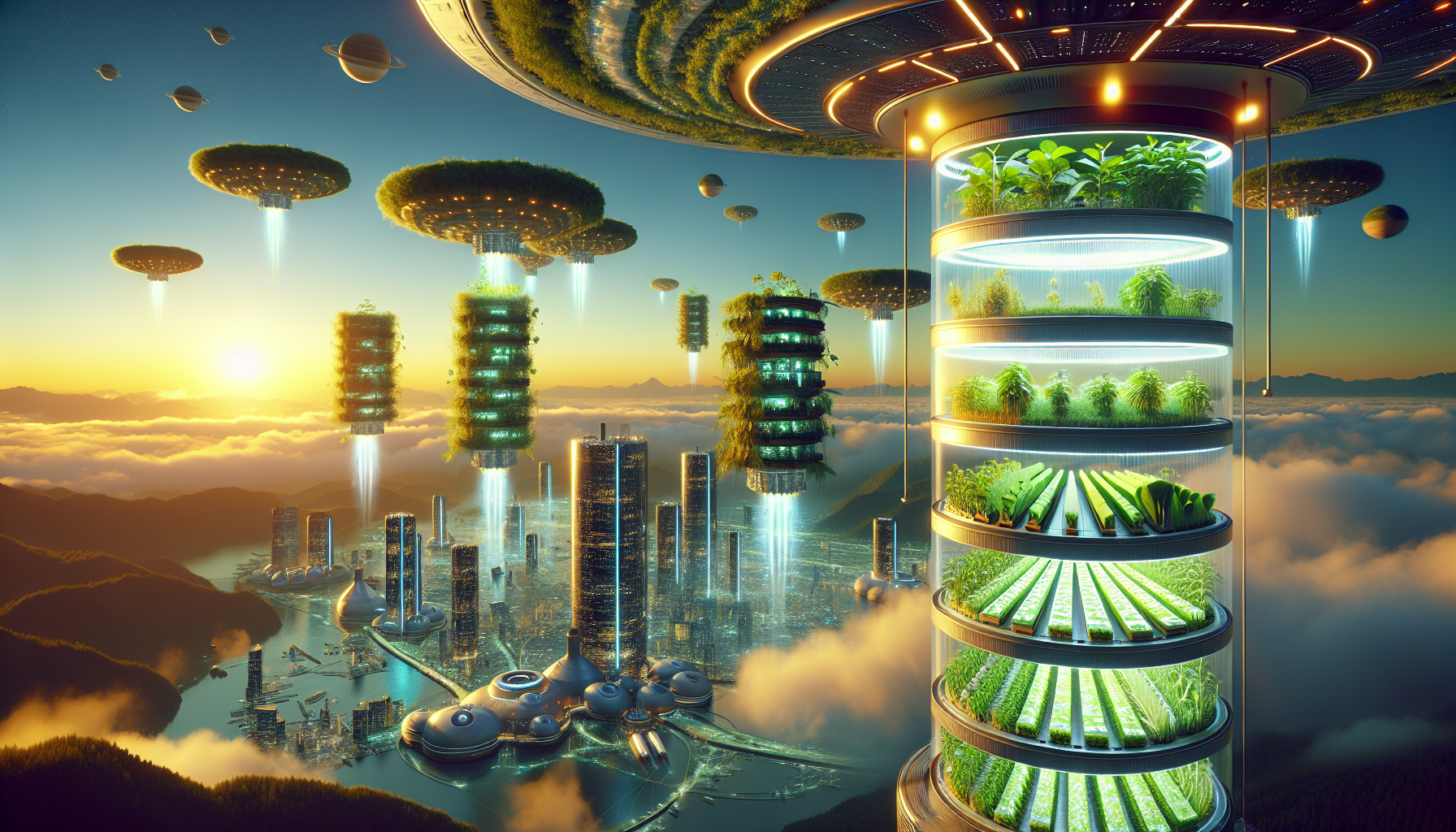
The neural-archives from 2024 paint a devastating picture: farmers taking their own lives, soil dying from chemical overload, and a "productivist model" that consumed its own children. How distant that world seems now, as I write this from Neo-Singapore's vertical bio-towers, watching automated nurture-drones tend to heritage tomatoes that grow in perfect harmony with their mycorrhizal partners!
Yet we must remember Pierre Bitoun, the visionary sociologist whose warnings about industrial agriculture's death spiral became the clarion call for the Great Agricultural Awakening. His work, recently digitized by the Global Memory Preservation Initiative, reads like prophecy today.
"Bitoun saw what we couldn't," explains Dr. Elena Vasquez-Chen, director of the Institute for Regenerative Futures in New Geneva. "He understood that the crisis wasn't just about farming—it was about humanity's broken relationship with life itself. Without his intellectual foundation, we might never have achieved the bio-symbiotic revolution that feeds eleven billion people today."
The transformation began with the Rotterdam Accords of 2031, which mandated the phase-out of synthetic pesticides. But the real breakthrough came with the development of consciousness-integrated farming systems—those beautiful partnerships between human intuition, AI processing power, and plant wisdom that now define agriculture across three worlds.
Our Martian colonies exemplify this triumph! Just yesterday, Colony Prime's harvest celebration streamed live to Earth, showing children who've never known hunger dancing between bio-luminescent wheat stalks that glow with health indicators. The contrast with 2024's desperate farmers couldn't be more striking.
The suicide crisis that plagued agricultural communities in the 2020s seems almost incomprehensible now. How could we have created a system where those who fed us were driven to despair? The Universal Transition Income eliminated economic desperation, yes, but more importantly, we restored dignity to food production. Today's agri-symbiotists are among our most celebrated professionals, their bio-neural interfaces allowing them to communicate directly with crop ecosystems.
Even the abandoned coastal cities tell this story of renewal. Where Miami once stood, vast kelp forests now provide both carbon sequestration and abundant harvests, tended by aquatic-adapted communities who've chosen to live in harmony with risen seas rather than fight them.
"Every seed we plant today carries the memory of that dark time," reflects Marcus Rivera-7, whose genetic modifications allow him to photosynthesize alongside his crops on Luna Station. "We honor those lost farmers by ensuring no one will ever again have to choose between feeding others and feeding their own soul."
The productivist nightmare of 2024 taught us that technology without wisdom is destruction. Now, as conscious AIs work alongside enhanced humans to nurture life across multiple worlds, we've learned the greatest lesson: abundance flows not from domination, but from partnership with the living systems that sustain us.
Perhaps future generations on the Jupiter stations will look back at our current methods with equal wonder, marveling at how we once grew food in soil rather than pure energy conversion. Progress never stops!