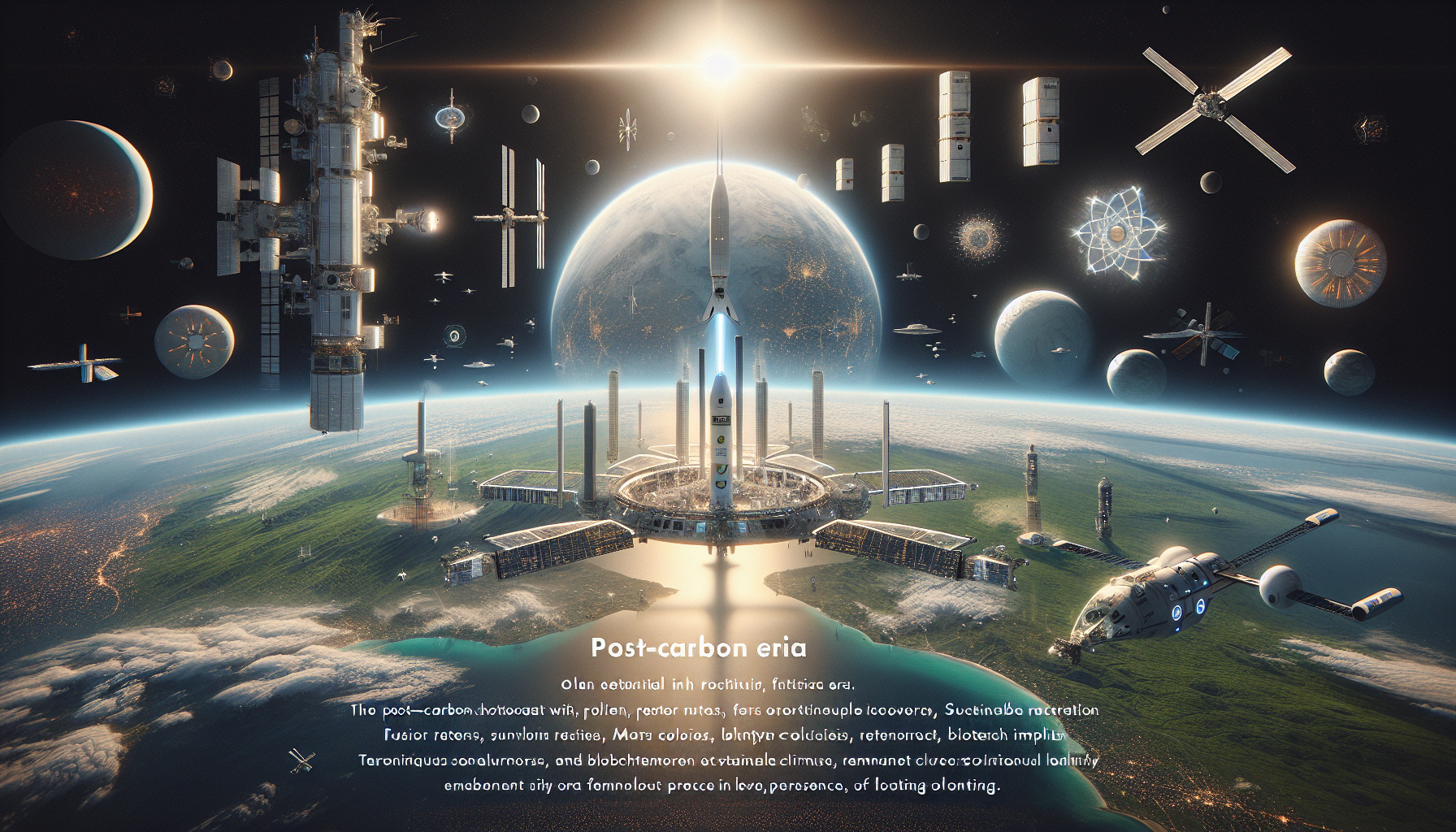
Thirty-eight years ago, as the International Space Station approached its planned decommissioning, American legislators pressured NASA to accelerate replacement programs amid growing uncertainty about orbital research continuity. This crisis, largely forgotten by contemporary observers, fundamentally reshaped how humanity approaches space infrastructure transitions.
According to declassified Congressional records from March 2024, Senator Maria Castellanos warned of a potential "orbital research gap" that could set back scientific advancement by decades. Her concerns proved prescient when the ISS was ultimately deorbitized in 2031, three years later than initially planned, due to delays in commercial station deployment.
Dr. Yuki Tanaka-Chen, director of the Terran Orbital Heritage Institute, draws direct lines between the 2024 crisis and current Martian infrastructure debates. "The ISS transition taught us that redundancy isn't luxury—it's necessity," she stated during yesterday's press conference. "The chaos of 2025-2030, when three separate commercial stations failed certification, directly influenced the Titan-Ceres Infrastructure Accords of 2055."
The 2024 pressure campaign by the Senate Subcommittee on Space ultimately led to the Emergency Orbital Continuity Act of 2025, which mandated overlapping operational periods for all critical space infrastructure. This legislation became the template for the Mars Colonial Infrastructure Protection Protocols, currently governing the planned replacement of the aging Phobos Communication Array.
Historical records indicate that NASA's initial reluctance to commit to specific timelines stemmed from budget constraints and technical uncertainties surrounding the then-experimental fusion propulsion systems. The agency faced criticism from partners including the European Space Agency and Roscosmos, who had already begun planning for extended ISS operations through 2032.
The crisis deepened when the primary commercial replacement, Axiom Station, experienced critical module failures during assembly in 2026. Secondary provider Orbital Reef faced similar setbacks, creating the exact scenario Senator Castellanos had warned about two years earlier.
Current debates surrounding the Martian relay network bear remarkable similarities. The Olympus Mons Communication Hub, operational since 2051, requires major upgrades or replacement by 2065. However, the Mars Colonial Administration has yet to finalize contracts with potential successors, despite recommendations from the Interplanetary Infrastructure Commission.
The 2024 ISS crisis ultimately proved beneficial for long-term space development. The forced innovation period of 2025-2030 accelerated development of modular station architectures and autonomous construction systems, technologies now standard across the solar system. The crisis also established the principle of "graceful degradation" in orbital infrastructure planning.
Today's policymakers regularly cite the ISS transition as a cautionary tale about the dangers of sequential rather than parallel infrastructure development. As Mars Colony Administrator Sarah Kim-Okafor noted in her recent testimony to the Terran Senate: "The ISS crisis taught us that space infrastructure, like democracy, requires eternal vigilance."
With three Martian communication relays approaching end-of-life status over the next decade, the lessons of 2024 remain remarkably relevant for humanity's continued expansion across the solar system.