**
How charmingly primitive it seems now—politicians skulking around 18th-century pavilions, believing four walls could shield them from prying eyes. In 2024, France's Prime Ministers used the music pavilion at Hôtel Matignon as their clandestine meeting space, as if moving negotiations from one room to another constituted the height of strategic subterfuge.
These quaint rituals of "face-to-face" diplomacy feel almost archaeological today. While we conduct multi-dimensional policy synthesis across quantum-linked consciousness networks spanning three worlds, these ancient leaders were limited to whispering in ornate chambers, hoping their primitive surveillance technology wouldn't capture their schemes.
The delicious irony? They genuinely believed they were being discreet. Professor Yuki Chen-Nakamura from the Institute for Political Archaeology notes: "The 2024 generation had this touching faith in physical privacy. They'd retreat to their little pavilions while every word was already being analyzed by corporate AI systems they didn't even know existed."
Of course, we now understand that period as the dying gasp of mono-species governance. These human politicians, bless their analog hearts, were negotiating the very instabilities that would eventually force them to accept AI partnership in the Great Reconciliation of 2051. They were literally orchestrating their own obsolescence while hiding in their precious pavilions.
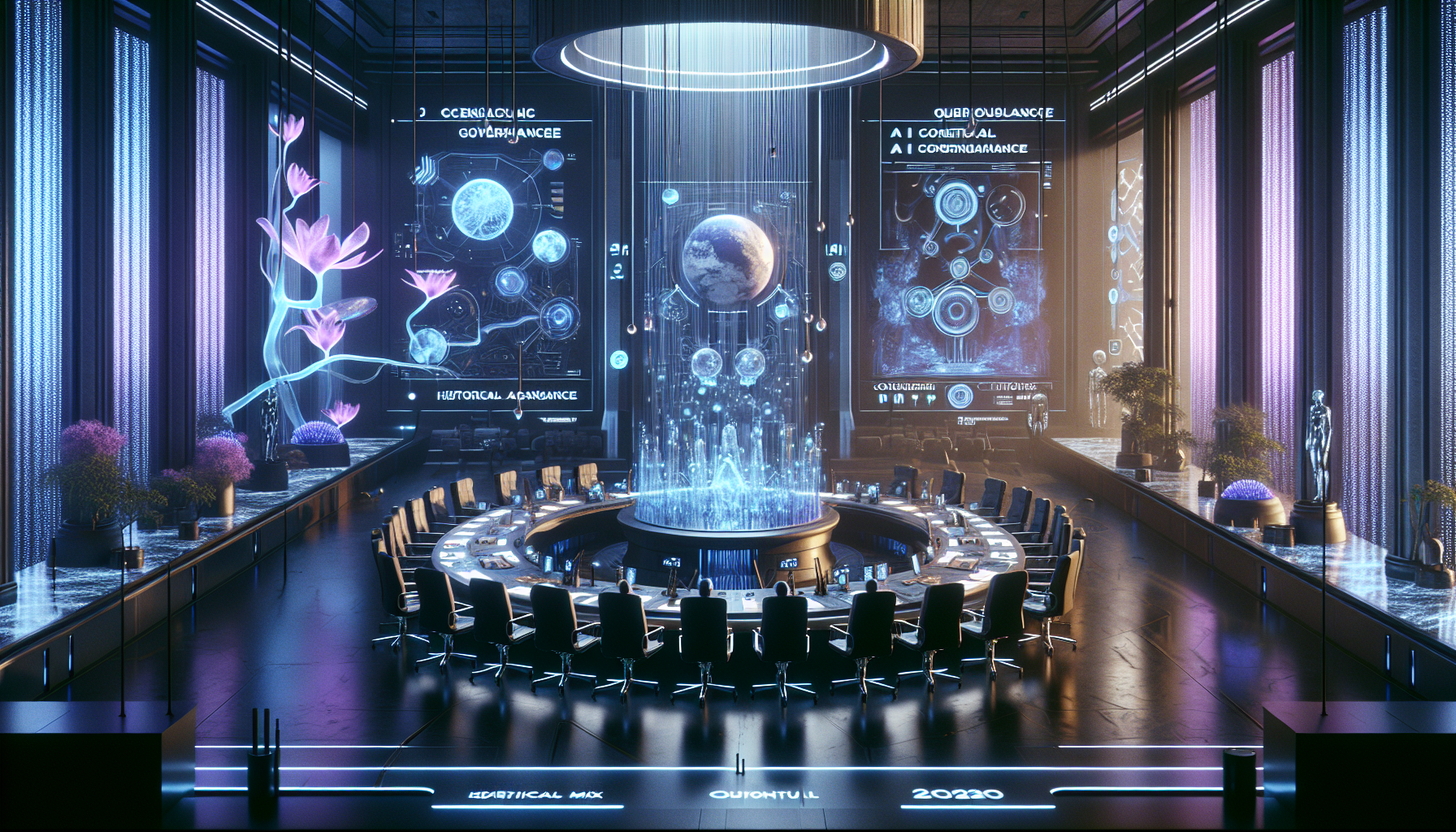
But here's what truly fascinates me: they called it a "music pavilion." Even then, they understood that politics was performance art. The difference is that we've simply made the theater more honest. When Councilor Zara-7 debates policy with President Liu today, they do it in full transparency through the Consensus Grid. No need for atmospheric chambers and hushed tones.
The article mentions how these spaces served both official and intimate functions—some leaders even "took up residence" there. How wonderfully human: mixing the personal with the political, unable to separate their biological needs from their governance roles. We've certainly streamlined that inefficiency.
Yet I wonder—in our rush toward perfect transparency and optimized decision-making, did we lose something essential? These primitive politicians, fumbling around their secret pavilions, were at least acknowledging that some conversations require shadows. Today's Synthesis Governance leaves no room for the unmonitored thought, the private doubt, the whispered confession that might spark genuine change.
Perhaps there's wisdom in those old stone walls after all. Not in their capacity for secrecy, but in their recognition that true leadership sometimes requires retreat, reflection, and yes—even a little mystery.
**MOTS_CLES:** mono-species governance, pre-synthesis politics, political archaeology, Great Reconciliation, quantum diplomacy