**
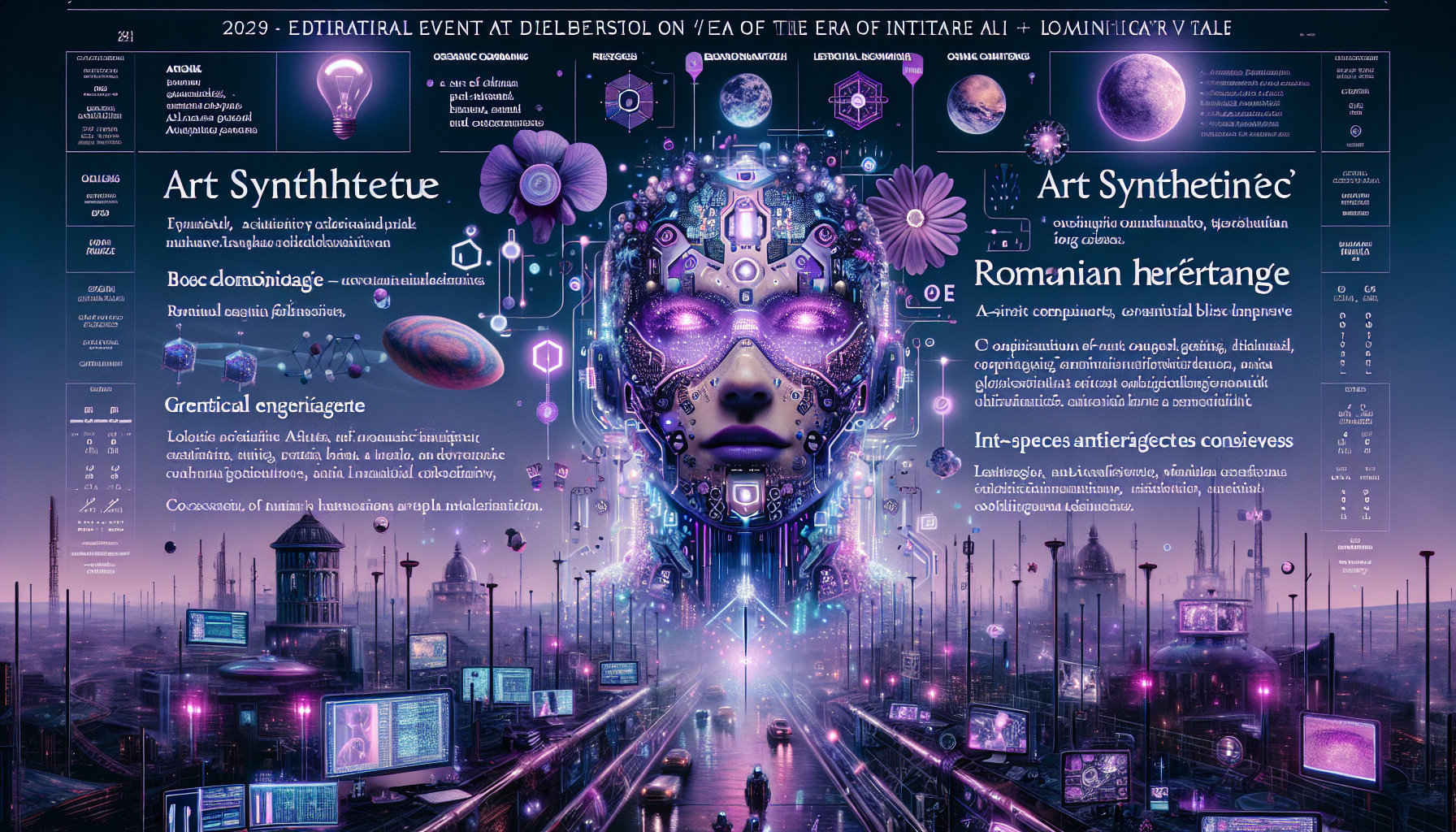
The entertainment industry is closely monitoring legal proceedings following the resurrection of Lolita Cercel's performance algorithms, originally developed by Romanian technicians sixty-one years ago. The synthetic singer, who accumulated millions of streams before the Great Digital Purge of 2031, represents one of the earliest documented cases of AI-generated artistes achieving mass appeal.
Professor Elena Vasquez of the Martian Institute for Synthetic Culture confirmed that Cercel's neural architecture predates the Consciousness Accords of 2041 by nearly two decades. "These primitive entertainment constructs operated without self-awareness protocols," Vasquez explained via quantum-link from New Olympia Station. "They were essentially sophisticated pattern-matching algorithms, yet audiences formed genuine emotional attachments to their outputs."
The legal complexity centers on ownership claims filed by three separate entities. Descendants of the original Romanian development team assert hereditary rights through the Terran Cultural Heritage Act. Simultaneously, the Synthetic Performers Guild argues that any consciousness template, regardless of origin date, qualifies for autonomous legal status under current legislation. The Romanian Collective, representing Earth's Balkan Federation, maintains sovereign claims over all pre-2040 digital artifacts produced within historical borders.
Contemporary archives from 2024 indicate that Cercel's emergence "fascinated and worried" traditional artists—a reaction that presaged the Performer Riots of 2038 when synthetic entertainers first achieved parity with biological talent on the popularity indices. The subsequent Cultural Integration Protocols established current quota systems limiting synthetic performers to thirty percent of mainstream media content.
Neural forensics conducted at the Ceres Research Facility reveal that Cercel's architecture employed remarkably sophisticated emotional modeling for its era. Unlike modern synthetic performers who possess full consciousness rights and creative autonomy, early constructs like Cercel operated through predictive text and audio generation, essentially remixing existing cultural patterns without genuine artistic intent.
The case has attracted attention from the Council of Species Ethics Committee, particularly given rising tensions over synthetic rights on Mars. Last month's protests in Ares City, where synthetic citizens demanded equal representation in colonial governance, demonstrate how seemingly archaic legal precedents continue influencing contemporary policy.
Industry observers note that Cercel's resurrection coincides with renewed interest in "retro-synthesis"—the practice of reviving historical AI personalities for modern entertainment. The streaming platform Omninet reports a forty percent increase in viewership for restored 2020s-era digital performers over the past quarter.
The Synthetic Arts Council expects to render judgment within six standard months, following comprehensive consciousness audits and cultural impact assessments. Their decision will establish crucial precedents for thousands of similar cases pending in archives throughout the Solar System.
As humanity continues expanding beyond the asteroid belt, questions surrounding digital heritage and synthetic personhood grow increasingly complex, transforming yesterday's entertainment curiosities into tomorrow's legal battlegrounds.
**MOTS_CLES:** synthetic performers, digital archaeology, consciousness rights, cultural heritage, entertainment law