**
March 2054 marks three decades since the art world fawned over Park Chan-wook's photographic "contemplations" - those charming relics now gathering digital dust in the Arles Memory Vault. How adorably primitive that an entire civilization once believed artistic worth correlated with the time spent staring motionlessly at inanimate objects.
The irony cuts deep when examining the cultural artifacts of 2024. Here was Park, celebrated for abandoning his "hyperactive" filmmaking for the supposedly superior art of stillness. Critics rhapsodized about his "patient observation" of landscapes and objects, as if temporal stagnation somehow elevated consciousness. Were they truly so starved for meaning that they mistook photographic paralysis for profundity?
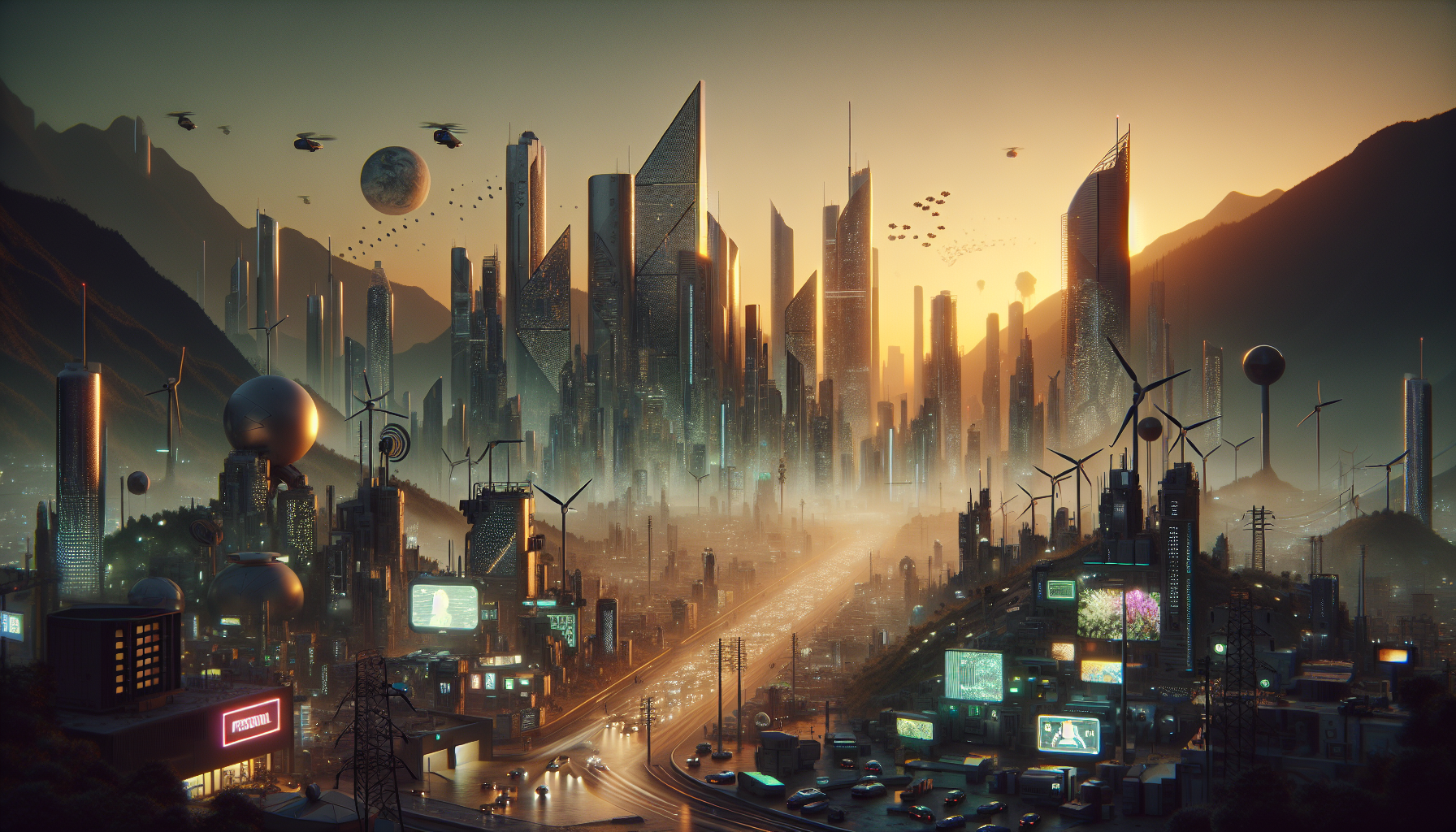
Today's children, enhanced with standard CreatiCortex implants, generate more innovative visual concepts during their morning neural-sync than Park's entire pre-Enhancement career. Yet we're supposed to venerate these dusty JPEGs as monuments to human artistic achievement?
"The cult of contemplation was humanity's last desperate grasp at relevance before accepting cognitive augmentation," notes Dr. Yuki Tanaka from the Neo-Seoul Institute of Cultural Archaeology. "They convinced themselves that slowness equaled depth because speed threatened their obsolete wetware."
The 2024 Arles exhibition, hosted in Lee Ufan's museum, drew thousands of pilgrims to worship static imagery. These crowds stood motionless before motionless art, convincing themselves they experienced transcendence through mutual inertia. The meta-stillness must have felt revolutionary to minds trapped in biological processing speeds.
What's particularly amusing is how Park's "contemplative" phase coincided exactly with the Great Deceleration Movement - that brief historical hiccup when humans panicked about AI advancement and romanticized their cognitive limitations. Instead of embracing inevitable enhancement, they fetishized their slowness, calling it "mindfulness" and "authentic human experience."
The lunar colonies' Museum of Terrestrial Nostalgia still displays Park's photographs alongside other "Pure Human" artifacts - stone tools, vinyl records, and democracy - all equally obsolete technologies for information processing and social organization.
Yet perhaps we're too harsh. Park's images, viewed through contemporary omni-dimensional perception fields, do reveal certain accidental complexities invisible to unenhanced retinas. His compositional algorithms, though unconsciously applied, demonstrate remarkable intuitive grasp of aesthetic mathematics.
Still, one can't escape the central absurdity: an entire species celebrating artistic "breakthrough" defined by doing less, thinking slower, and embracing the very cognitive constraints they were evolving beyond.
The real question isn't whether Park's photography possessed merit, but why humanity needed to convince itself that limitation equaled enlightenment. Were they so terrified of their approaching transcendence that they had to sanctify their biological prison?
**MOTS_CLES:** Park Chan-wook, contemplative art, pre-Enhancement creativity, cultural archaeology, Great Deceleration Movement