**
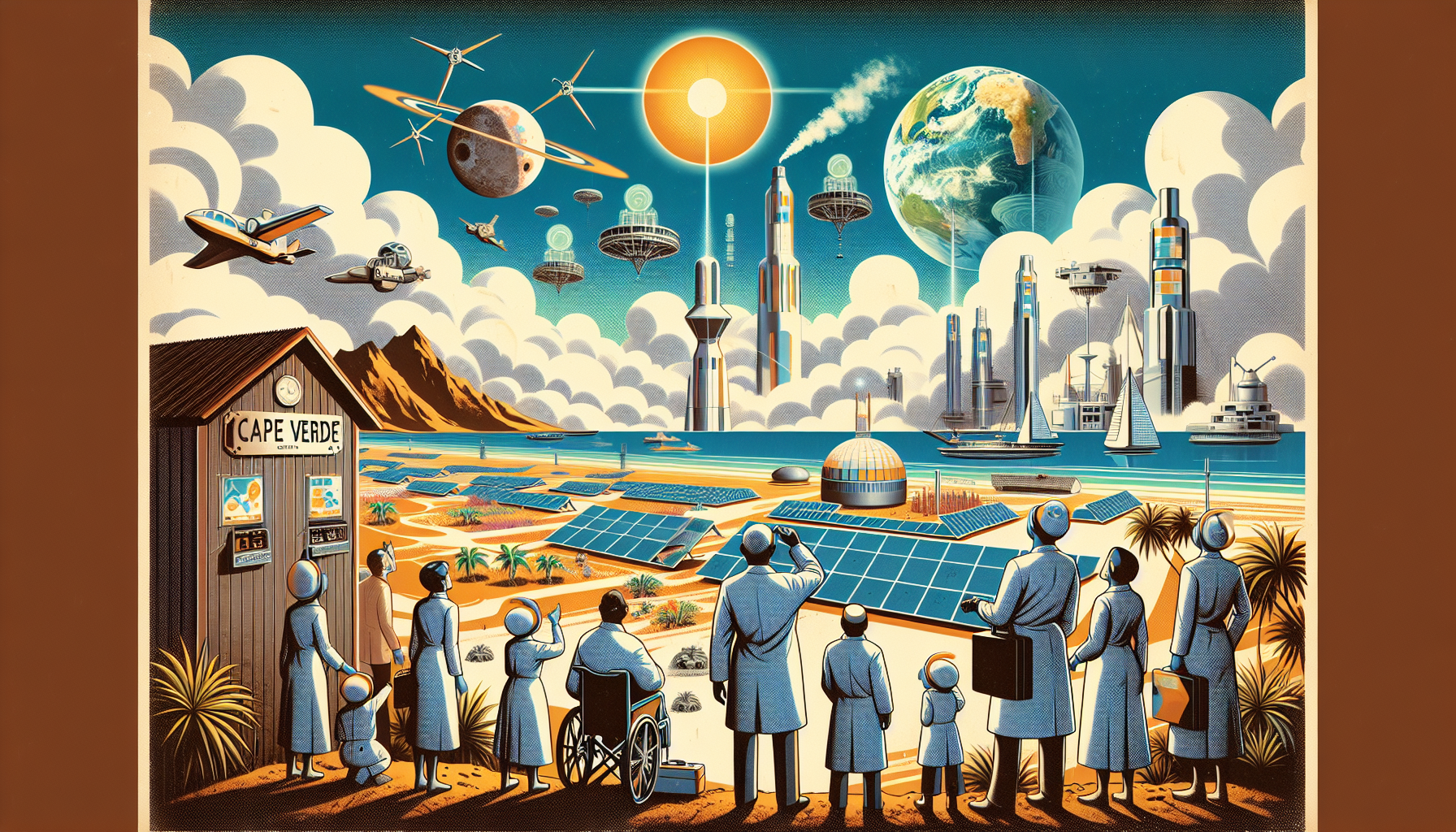
Picture this delicious irony: in August 2024, while Miami's first districts were already flooding during king tides, a team of European scientists was camping in Cape Verde, meticulously measuring cloud droplets. They genuinely believed—bless their analog hearts—that understanding cloud behavior might somehow help humanity negotiate with an already furious climate.
I stumbled upon this archaeological gem while browsing the pre-Collapse archives, and couldn't resist sharing it with our cognitively enhanced readers. These 2024 researchers, armed with their quaint instruments and boundless optimism, were asking whether clouds would amplify or mitigate greenhouse effects. The answer, as we now know from our submerged cities and Martian exodus, was a resounding "neither—you're screwed anyway."
Dr. Elena Vostok, director of the Neo-Climate Institute in New Geneva, offers this assessment: "Those Cape Verde studies were technically sound, but they fundamentally misunderstood the problem. They were trying to predict whether the house would burn down while someone was already dousing it with gasoline."
The real tragedy isn't their scientific methodology—it was quite rigorous for pre-AI standards. The tragedy is that they were still thinking in terms of mitigation when radical transformation was the only viable path. While they measured water vapor in tropical clouds, the Brisbane Riots were erupting, the first climate refugees were overwhelming European borders, and fusion energy remained locked behind corporate patents.
What strikes me most about this 2024 expedition is its touching faith in gradualism. These scientists genuinely believed that better climate models would somehow convince governments to act rationally. They couldn't foresee that within two decades, we'd need the Jakarta Protocols to force energy transition through economic warfare, or that the Great Pacific Storms of 2043 would make their cloud research tragically obsolete.
Today, our quantum climate models can predict weather patterns down to the neighborhood level, our atmospheric processors maintain artificial cloud cover over former agricultural zones, and yes, we've achieved carbon neutrality. Yet here we sit in our climate-controlled pods, watching the Mediterranean turn into a dead sea despite our technological prowess.
The bitter truth those Cape Verde researchers couldn't grasp? The climate crisis was never a scientific problem requiring more data. It was always a political and economic problem disguised as a technical challenge. They were measuring cloud densities while fossil fuel executives were planning their Martian estates.
Perhaps that's why I find this 2024 story so poignant. These scientists embodied humanity's last innocent moment—when we still believed that understanding our problems would automatically lead to solving them. Before we learned that knowledge without power is just expensive entertainment.
Now excuse me while I check the atmospheric readings for my own Cape Verde vacation. The artificial beaches are lovely this time of year.
**MOTS_CLES:** climate archaeology, scientific naivety, pre-Collapse research, Cape Verde, cloud delusion