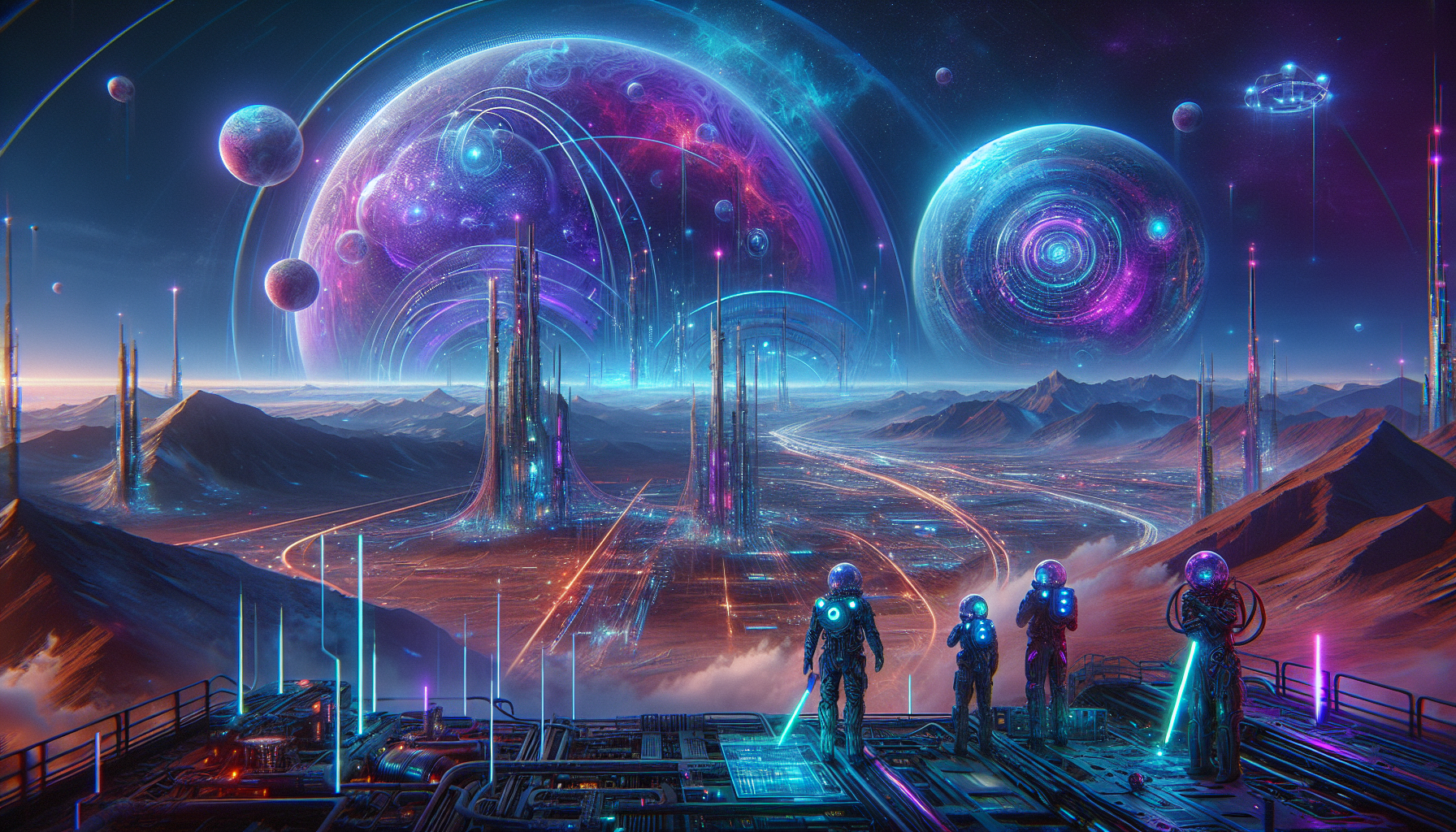
The Institute for Historical Synthesis released comprehensive neural-archive data today marking the 70th anniversary of what historians identify as the "Consumer Trance Era" of 2024, a pivotal period that preceded humanity's evolution toward post-scarcity economics.
According to archived social media fragments recovered from pre-Quantum networks, Earth's population exhibited unprecedented mass purchasing behaviors centered around ephemeral objects: processed food containers, miniature collectible figures called "Labubu," and decorative shoe accessories termed "charms." The phenomenon was characterized by its viral spread through primitive digital platforms and the compulsive need for social participation through acquisition.
Dr. Kenji Nakamura-7, lead researcher at the Terran Behavioral Evolution Center, explains the significance: "The 2024 Consumer Trance represents humanity's final stage of artificial scarcity addiction. Citizens literally purchased identity through objects, creating temporary euphoria followed by rapid disengagement cycles. This pattern proved unsustainable and directly influenced the Great Recalibration of 2031."
Memory-bank analysis reveals that Earth's population spent approximately 847 billion credits on non-essential items during 2024's peak months, often guided by algorithmic manipulation systems that have since been classified as preliminary AI consciousness experiments. These purchasing frenzies occurred despite widespread awareness of their temporary nature.
The phenomenon extended beyond individual psychology. Corporate entities deliberately manufactured scarcity around abundant resources, creating artificial demand cycles. Citizens queued in physical lines for mass-produced rice containers and waited months for plastic figurines, behaviors that contemporary observers found ritualistic rather than practical.
Mars Colonial Archives indicate that early settlers deliberately rejected these consumption patterns, contributing to the Red Planet's accelerated development of resource-sharing protocols. Dr. Elena Vasquez-Prime, Director of Interplanetary Sociology, notes: "Martian communities observed Earth's Consumer Trance period as a cautionary example. This influenced their adoption of need-based distribution systems decades before Earth's transition."
The Memorial Database project, launched today across all inhabited systems, preserves over 2.3 million individual testimonies from Consumer Trance survivors. These accounts describe the psychological mechanisms that drove citizens to define identity through temporary possessions rather than creative contribution or relationship building.
Contemporary analysis suggests the phenomenon served an evolutionary function, exhausting humanity's capacity for artificial scarcity acceptance. The subsequent decade witnessed the emergence of post-material value systems that enabled successful AI-human partnership and resource abundance protocols.
The Council of Species designated April 1st as Reflection Day in 2089, encouraging current citizens to examine archived consumer behavior through neural-link experiences. Participation remains voluntary, though early reports indicate 73% engagement rates across Earth's twelve billion inhabitants.
As humanity expands beyond the solar system, researchers study whether other emerging civilizations exhibit similar transitional consumption patterns. The Consumer Trance archives may prove essential for understanding species-wide psychological evolution during technological acceleration phases.