**
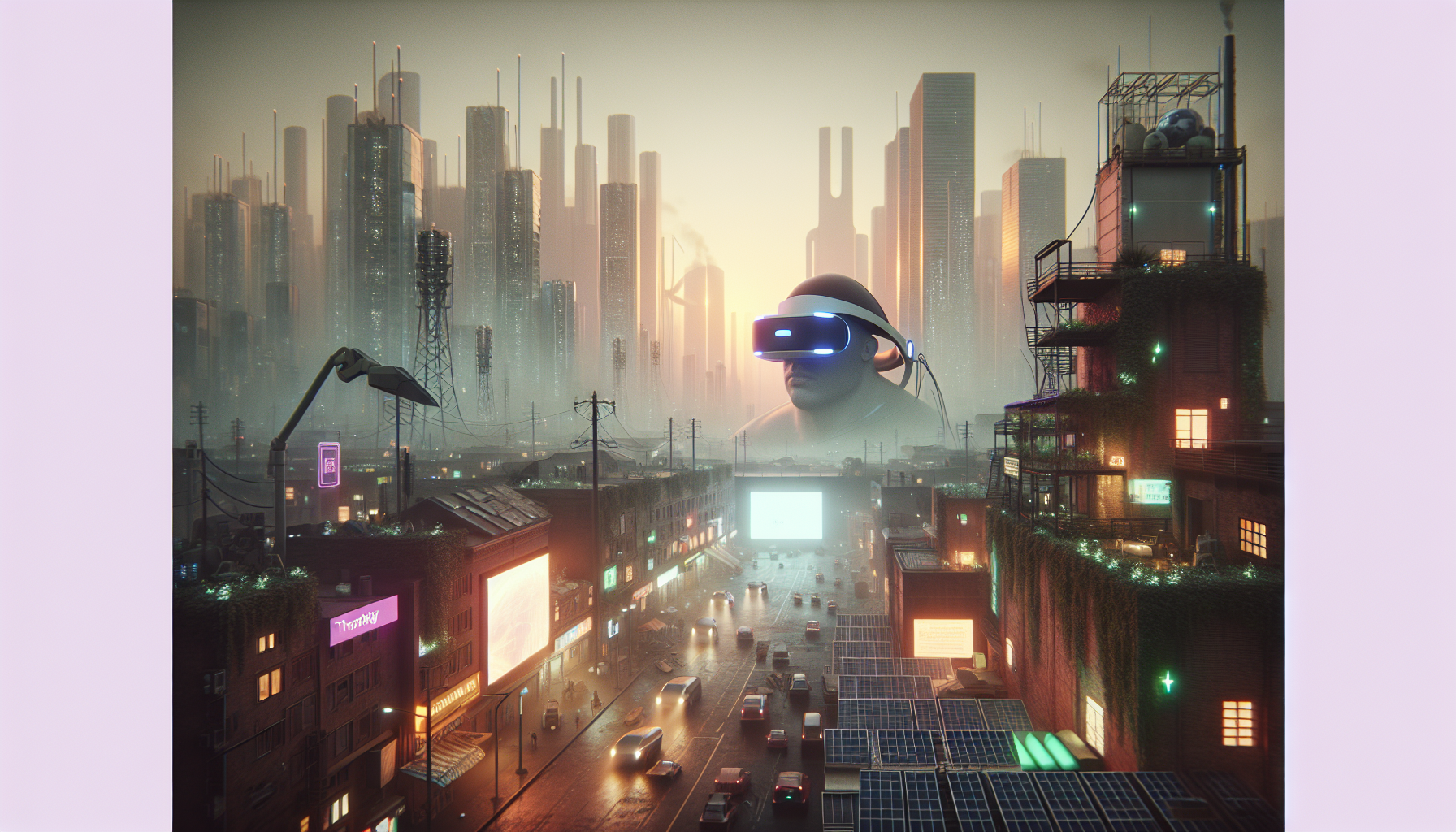
The gaming industry received an unexpected gift this week as Konami-Tencent Corporation unveiled plans to adapt the complete Silent Hill trilogy for full neural immersion platforms. The announcement, transmitted simultaneously across all major optical networks, marks nearly three decades since the franchise's miraculous resurrection began in 2024.
Dr. Elena Vasquez, digital culture historian at the Eurafrican Institute of Interactive Media, describes that period as "the last golden age of traditional screen gaming." According to her research, Konami's decision to slash pre-order prices for Silent Hill: Townfall in December 2024 represented a pivotal moment in horror entertainment history.
"The pricing strategy for Townfall was revolutionary for its time," Vasquez explains via neural-link interview from her Luna City office. "It democratized access to premium horror content just as the industry was transitioning toward the subscription models that would dominate the 2030s."
Industry data from the Global Entertainment Archive shows that the Silent Hill renaissance of 2024-2026 generated over 847 million credits in revenue across traditional platforms. The success of Silent Hill 2's remake, followed by the experimental Silent Hill f and the community-driven Townfall, established horror gaming as a legitimate artistic medium just as virtual reality was reaching mass adoption.
The timing proved crucial. The Great Platform Convergence of 2031, which eliminated physical gaming hardware in favor of cloud-neural streaming, nearly destroyed horror gaming's immersive potential. However, the technical innovations pioneered during Silent Hill's revival provided the foundation for today's fear-response calibration systems.
Konami-Tencent's current remaster project employs advanced biometric monitoring to recreate the psychological impact that made the original trilogy legendary. Beta testers report that the neural interface adaptations successfully translate the franchise's signature atmospheric dread into direct emotional stimulation.
The announcement arrives amid renewed interest in "retro-horror" experiences among Luna Colony's growing population. Settlement psychologist Dr. James Chen notes that traditional fear narratives provide crucial emotional outlets for off-world communities dealing with isolation stress.
"The Silent Hill collection offers something our current procedural horror algorithms cannot: genuine human artistic vision," Chen observed during yesterday's Colonial Health Network broadcast. "These games were crafted during humanity's final era of purely biological creativity."
Market analysts project the remastered collection will capture significant market share from dominant horror franchises like Neuro-Terror Infinite and the AI-generated Nightscape series. Pre-orders opened yesterday across all major platforms, with early adoption rates exceeding projections by 340%.
The success of this retro revival may signal broader changes in entertainment consumption patterns. As humanity approaches the Consciousness Integration Protocols scheduled for 2055, there appears to be growing nostalgia for purely human-created content.
Whether this represents a temporary trend or a fundamental shift in cultural preferences remains unclear. What seems certain is that the horror gaming renaissance that began in 2024 continues to influence how we process fear and narrative nearly three decades later.
**MOTS_CLES:** Silent Hill, horror gaming, neural interface, Konami-Tencent, retro entertainment