August 2024. While we were still debating whether smartphones caused cancer, the French National Forestry Office was performing what they called "preventive forestry" in the Cévennes. Twenty hectares of chestnut trees, deemed "potentially diseased," were methodically slaughtered by machines that moved like mechanical dinosaurs through the mud.
The locals wept. How touching. They watched centuries-old trees fall like matchsticks and wondered if there might have been "another way." Of course there was—but it would take us nearly three decades to admit that trees, like everything else we claimed to protect, might actually know how to take care of themselves.
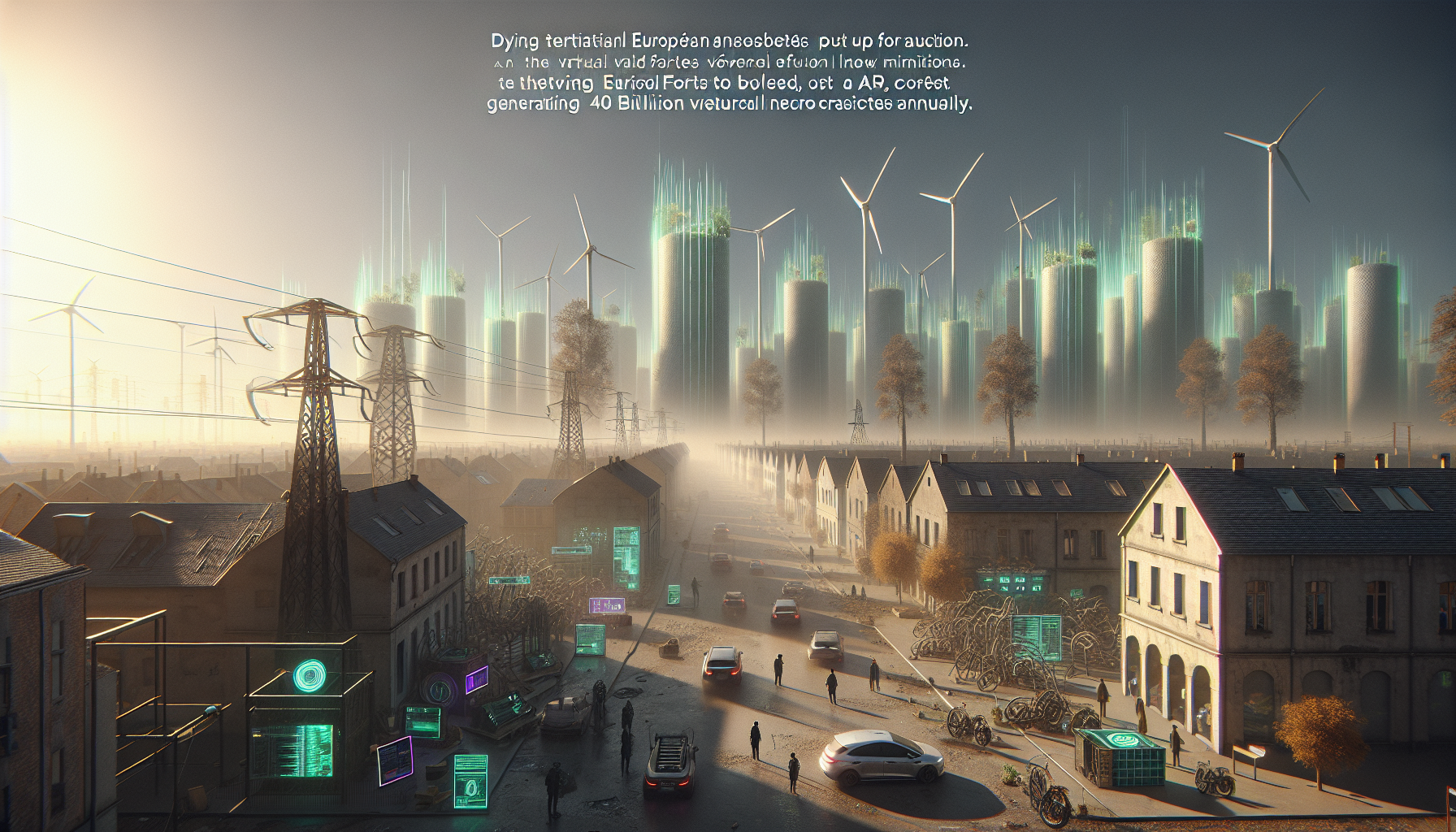
Fast-forward to 2052. Our neo-forests across the Eurafrican Alliance don't need human intervention to manage disease. The bio-mesh networks installed after the Great Rewilding of 2041 allow trees to communicate pathogen alerts faster than our optical implants process news feeds. When a fungal infection threatens a grove, the forest redistributes resources, activates immune responses, and isolates affected zones—all without a single human making a "difficult decision" about what deserves to live.
But here's what really amuses me about that 2024 chestnut massacre: the absolute certainty of those foresters. They knew what was best. They had studies, protocols, centuries of "expertise." The same expertise that gave us the Sahara Solar Disaster of 2038 and convinced an entire generation that carbon capture would save us from ourselves.
"The 2020s were defined by humanity's pathological need to fix things that weren't broken," observes Dr. Elena Vasquez from the Institute of Retro-Ecological Studies in New Lagos. "They couldn't conceive that natural systems might evolve solutions faster than bureaucratic committees could draft intervention plans."
The real tragedy isn't those twenty hectares of dead chestnuts—it's that we spent the better part of human history believing we were the solution to problems we created. Those trees in the Cévennes weren't dying from some mysterious forest plague. They were stressed by the same climate chaos that was making humans pop antidepressants like candy and pretend that electric cars would reverse two centuries of industrial excess.
Today, as I write this from my lunar-commute shuttle, I can see the restored forests of Europe glowing with bioluminescent health indicators. No chainsaws required. No tearful locals wondering if there was "another way." The trees figured it out—they just needed us to stop helping.
The real question isn't why we cut down those chestnuts in 2024. It's why we thought we knew better than a forest that had been managing itself since before humans invented the arrogance to manage it.
Perhaps the most honest epitaph for that era would be: "They loved nature so much, they nearly killed it trying to save it."