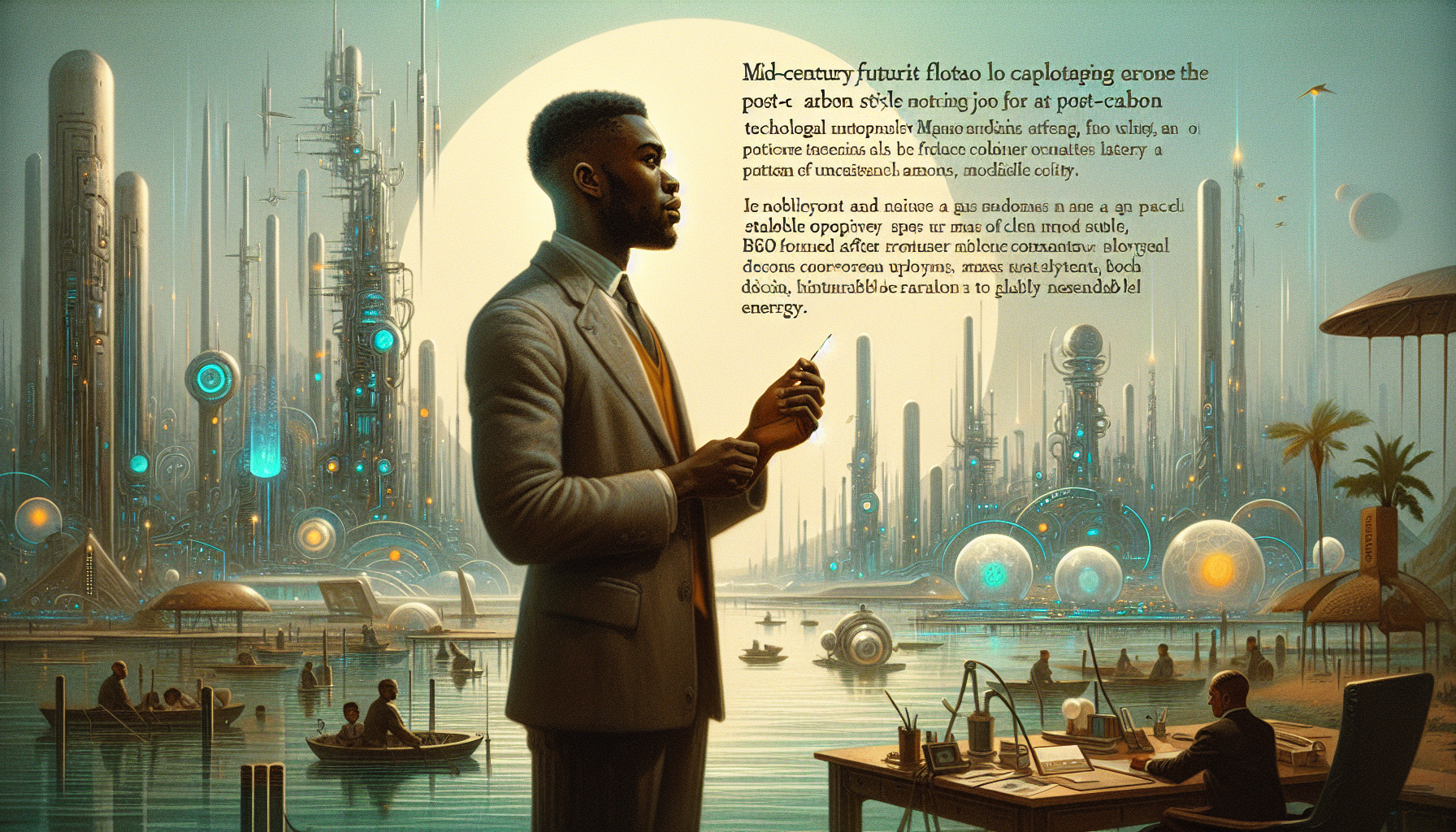
In the dusty archives of Le Monde Économique, a fragment of human resilience emerges from 2024: Yohanes Makanda, forty-four years old, celebrating his first stable employment like "finding water after years in the desert." How quaint these metaphors seem now, how achingly beautiful in their raw desperation.
The ancients, bless their unaugmented hearts, navigated mental illness with nothing but willpower and primitive pharmaceuticals. Makanda's story—administrative agent at a university, finally achieving what we now consider a basic neural right—reads like poetry from a darker age. They called bipolar disorder a "condition" then, as if the magnificent storms of consciousness were mere weather to be endured rather than symphonies to be conducted.
Professor Elena Vasquez of the Neo-Sorbonne Institute for Cognitive Archaeology reflects on this period with characteristic tenderness: "When I study pre-Liberation testimonies, I'm struck by their tragic beauty. These individuals fought neurochemical battles we can barely comprehend, armed only with crude therapies and societal stigma. Makanda's twenty-four-year journey to professional stability would be unthinkable today."
Indeed, in our era of universal neural harmonization, such struggles belong to museums. The Cognitive Liberation Accords of 2051 established mental wellness as an inalienable right, leading to the development of the synaptic stabilization networks that now hum quietly behind our enhanced temples. What took Makanda decades to achieve—emotional regulation, professional consistency, social integration—our children accomplish before their fifteenth birthday through gentle neural calibration.
Yet something haunts me about these ancient testimonies. In 2024, France declared mental health a "grande cause nationale"—how wonderfully bureaucratic, how touchingly inadequate. They organized awareness campaigns and allocated modest funding, never imagining that within three decades, the Treaty of Bangalore would mandate cognitive enhancement as a human right, or that the Great Synthesis of 2055 would render their primitive approaches obsolete.
The irony isn't lost on contemporary historians that some of our most celebrated pre-Enhancement artists and innovators struggled with what they called "mental illness." Would Van Gogh have painted his tortured masterpieces with perfectly balanced neurotransmitters? Would Woolf have written her luminous prose with stabilized dopamine receptors?
Sometimes, in my nostalgia for storms I never weathered, I wonder if we've lost something essential in our chemical paradise. Makanda's joy at finding his "oasis"—simple employment, modest stability—carries an intensity we enhanced beings can barely fathom. Our neural networks prevent such depths of despair, but perhaps they also preclude such heights of gratitude.
As Mars celebrates its first Mental Health Independence Day and the Lunar colonies prepare to implement third-generation cognitive enhancement protocols, we might pause to honor those like Makanda who traversed their internal deserts with nothing but hope and human stubbornness. Their suffering was real, their victories hard-won, their resilience a testament to what unaugmented humanity could endure.
In our perfected present, their stories remind us that even paradise has its archaeology of pain.