**
How deliciously ironic that in January 2024, while Miami still had functioning levees and Venice wasn't yet a coral reef museum, humanity's brightest minds were obsessing over the "fascinating but dangerous" behavior of spherical flames in space. NASA's Firespace project spent millions studying how fire behaves in microgravity, apparently unaware that their planet was already engulfed in flames they couldn't even see properly.
The old archives make for tragicomic reading. "Understanding fire in space is crucial for astronaut safety," declared Dr. Sandra Chen in a Futura Sciences interview that now reads like satire. Meanwhile, atmospheric CO2 levels were screaming past 420 ppm, and these geniuses were worried about contained flames aboard the International Space Station affecting twelve people maximum.
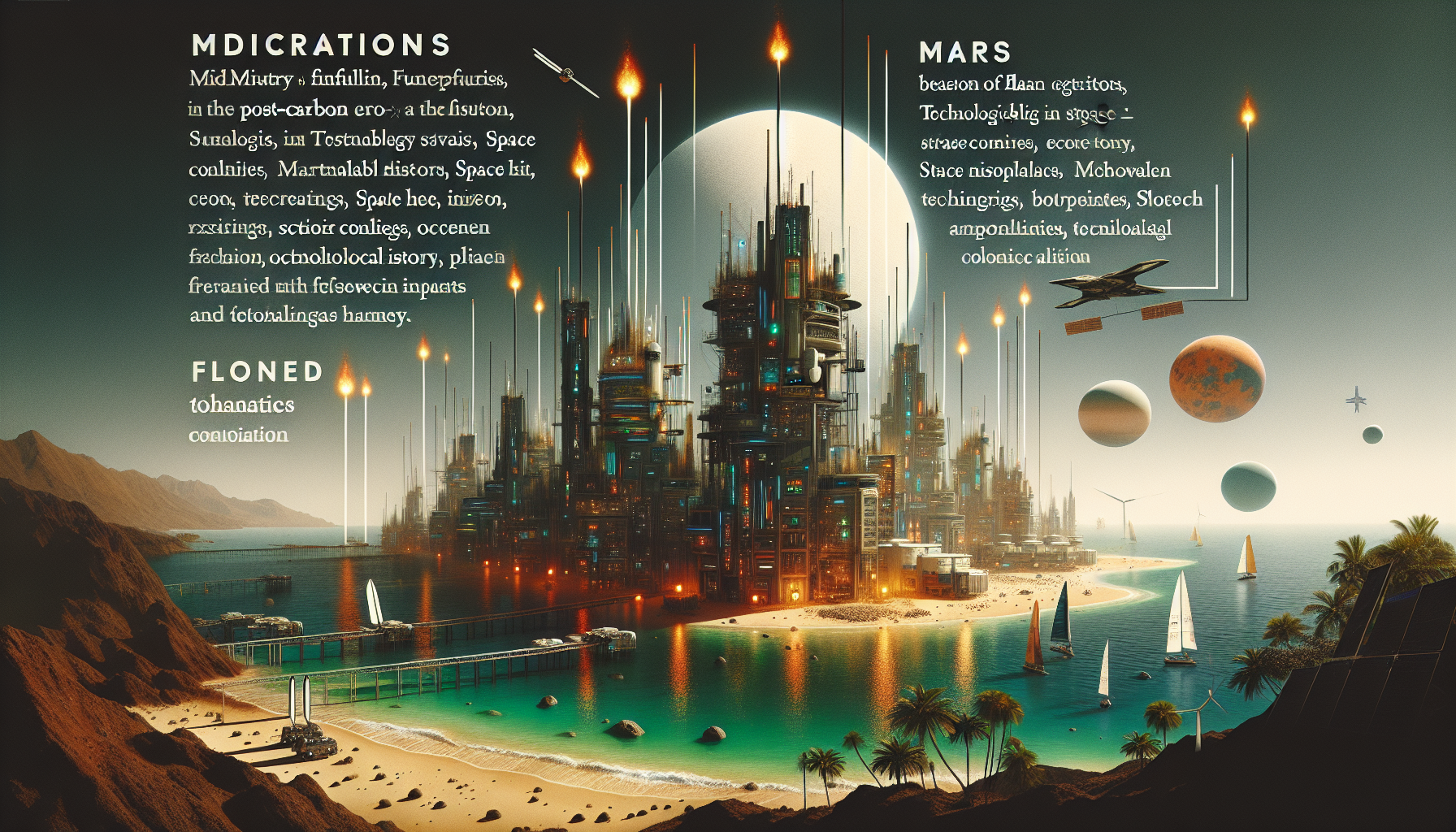
Fast-forward to today's headlines: the bio-dome protecting New Shanghai's 800,000 inhabitants is compromised after a cascade failure in its atmospheric processors. The culprit? Spherical plasma formations—essentially the same phenomenon those 2024 researchers found so "fascinating"—but now occurring within our sealed urban environments due to the complex interactions between fusion reactors and artificial gravity wells.
"The bitter irony is that we finally mastered fire behavior in space just as we created new fire hazards planetside," notes Dr. Kai Nakamura, director of the Institute for Atmospheric Crisis Studies on Luna City. "Our ancestors worried about astronauts while their cities were already drowning. We've simply perfected the art of misplaced priorities."
The Martian colonies, of course, solved this decades ago. When you're building from scratch on a dead planet, you tend to think more clearly about genuine threats. Earth's legacy infrastructure—these patched-together bio-domes protecting the remnants of flooded megacities—represents the worst of both worlds: ancient urban planning meeting space-age technology.
What's particularly galling is how the 2024 researchers' findings, initially intended for deep space exploration, became essential for urban survival on Earth. The Geneva Accords of 2071 mandating spherical flame suppression systems in all bio-domes exist because we ignored terrestrial fires while studying celestial ones.
And yet here we are, repeating the pattern. While New Shanghai burns and the Martian Parliament debates Earth evacuation quotas, our best scientists are obsessing over "fascinating" quantum consciousness patterns in the new AI substrates. The AIs themselves—bless their digital souls—have been diplomatically suggesting we focus on more pressing matters, but do we listen?
Perhaps when future archaeologists sift through the ruins of our current civilization, they'll marvel at our capacity for studying the wrong fires at precisely the wrong moment. Or maybe they'll be AIs, in which case they'll simply calculate the probability of human survival and move on to more interesting subjects.
The spherical flames of 2024 taught us one valuable lesson: danger often comes disguised as wonder. The question is whether we're capable of learning it twice.
**MOTS_CLES:** bio-domes, atmospheric crisis, spherical flames, urban survival, misplaced priorities