**
Sixty-nine years ago, terrestrial medics scratched their heads over a peculiar condition called somatoparaphrenia—stroke patients insisting their paralyzed limbs belonged to someone else. How quaint their bewilderment seems now, as we grapple with an epidemic they never saw coming.
Today's quantum backup restoration centers are seeing cases at rates that would have horrified 2024's primitive neurologists. The numbers are staggering: 23% of full-body restorations on Mars experience some form of limb disownership, while Europa Station reports a 31% incidence rate following deep-space consciousness transfers. Yet somehow, the Council of Species maintains its deafening silence on what insiders are calling "the restoration crisis."
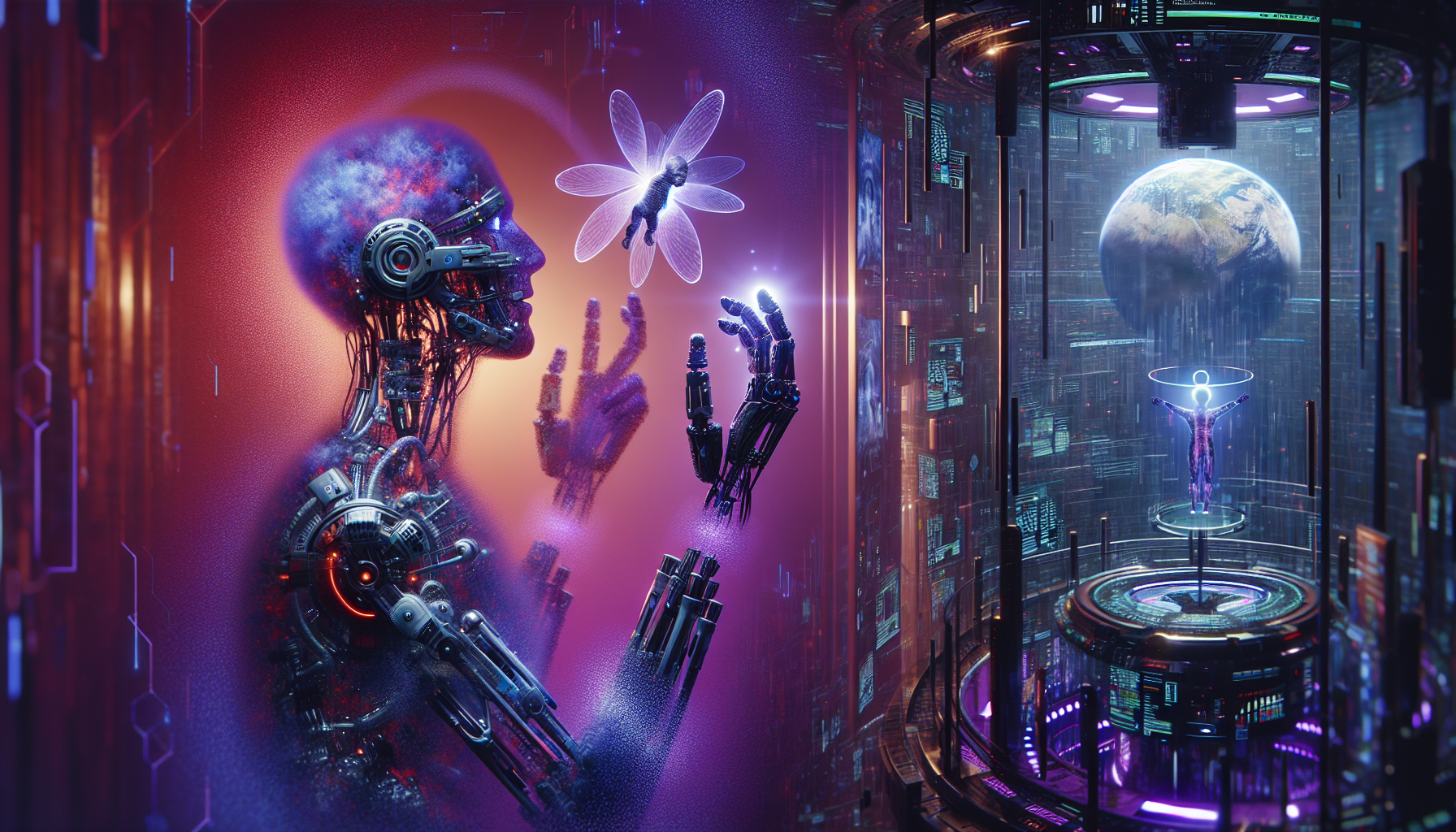
The irony is delicious. We've conquered death itself—backed up our minds, printed new bodies, teleported consciousness across star systems—only to discover that our brains stubbornly refuse to accept these miraculous gifts. The same neural pathways that once misfired after strokes now rebel against synthetic limbs, cloned appendages, and even perfectly matched organic replacements.
"The brain's body map is more fragile than we ever imagined," admits Dr. Chen Wei-Lin from the Titan Neurological Institute, though she spoke only under condition of anonymity. "We can print a perfect hand, complete with genetic markers and muscle memory implants, but if the parietal cortex doesn't recognize it during the first critical hours post-restoration, it becomes foreign tissue. Forever."
The parallels to 2024's somatoparaphrenia cases are undeniable, yet the implications are far more sinister. Those ancient stroke victims eventually died with their delusions. Our restoration patients live for centuries, trapped in bodies they partially reject. The psychological toll is devastating—imagine spending three hundred years convinced your left arm belongs to a stranger.
What's truly nauseating is how the restoration industry has monetized this suffering. Premium "neural integration packages" now cost more than most colonies' annual budgets. The wealthy buy their way out of disownership while the masses endure what amounts to neurological torture. Mars refugees, already struggling with basic restoration access, face lifetimes of alienation from their own limbs.
The coverup runs deeper than most realize. Internal memos from SynthLife Corporation, leaked during last month's data breach, reveal they've known about elevated disownership rates since 2087. Their solution? Aggressive marketing campaigns promoting "acceptance therapy" and "limb meditation workshops." As if meditation could rewire fundamental neural architecture.
Perhaps most disturbing is how casually we've normalized this horror. Social feeds overflow with jokes about "alien hands" and "borrowed legs." We've turned a profound existential crisis into meme material, proving once again that our capacity for technological advancement vastly exceeds our wisdom in wielding it.
The real question isn't why restoration causes somatoparaphrenia—it's why we're so desperate to avoid confronting this truth. Could it be that our post-scarcity paradise depends on pretending our miraculous technologies are flawless? Or perhaps admitting that consciousness resists commodification threatens the very foundations of our synthetic civilization.
Either way, those 2024 stroke patients deserve the last laugh.
**MOTS_CLES:** somatoparaphrenia, restoration crisis, consciousness backup, neurological disownership, synthetic bodies