**
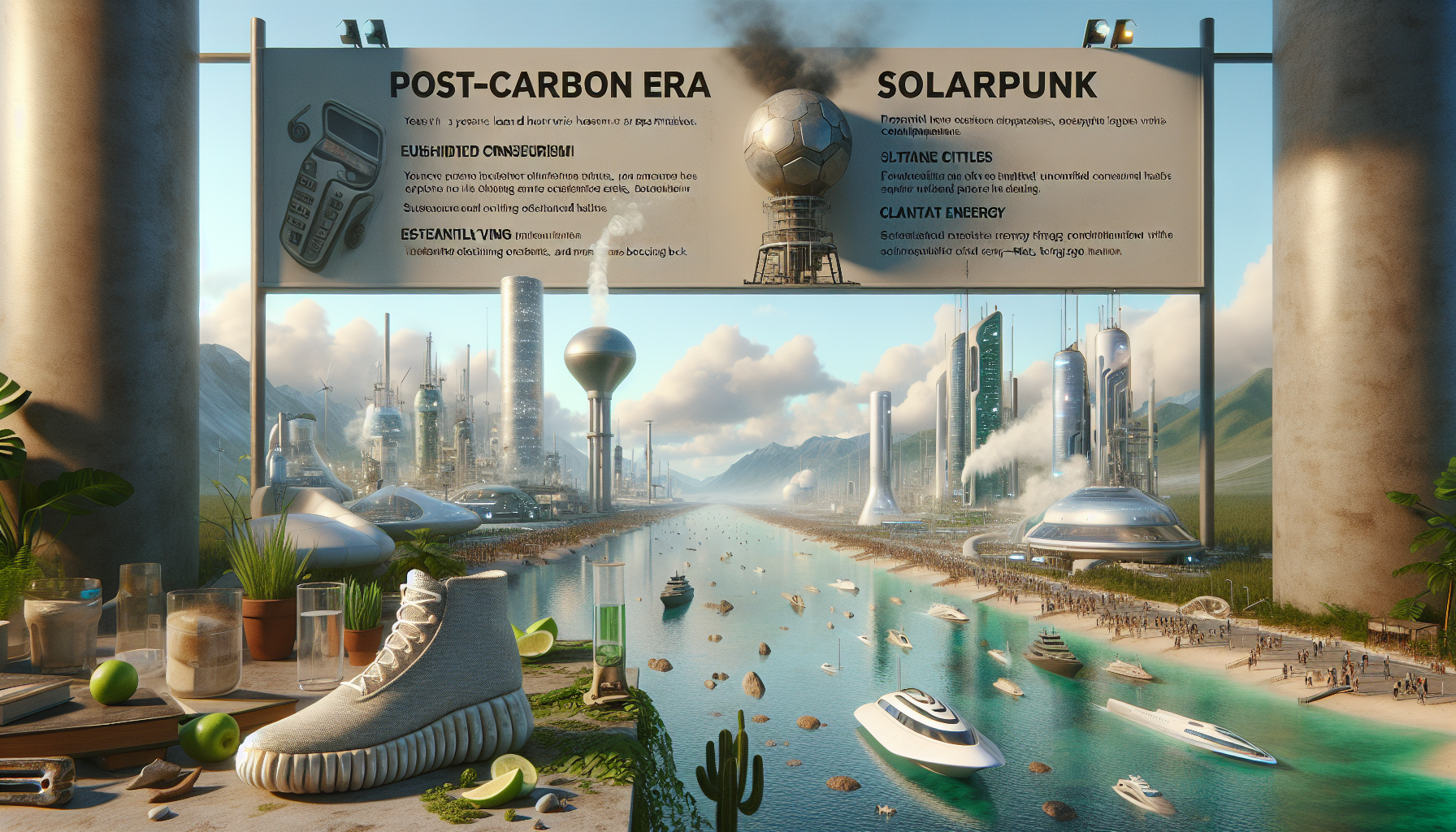
Picture this adorable scene from 2076's perspective: humans in 2024, still burning dinosaur juice to power their civilization, earnestly debating whether their sneakers were destroying the planet. The podcast "Chaleur humaine" fielded weekly questions about the carbon footprint of consumer goods, as if rearranging deck chairs on the Titanic could prevent the iceberg.
How charmingly naive our great-grandparents were! While Miami was already flooding and Venice installing its first flood barriers, they focused their climate anxiety on individual consumption choices. Should I buy these Nikes? Are my Adidas killing polar bears? Meanwhile, the real monsters—fossil fuel corporations, industrial agriculture, and the growth-obsessed economic system—laughed all the way to their offshore accounts.
"The 2020s marked humanity's peak neurosis about personal responsibility," observes Dr. Yuki Tanaka-Chen from the Institute of Pre-Collapse Psychology. "They'd agonize over a pair of shoes while their governments subsidized oil extraction. It's like worrying about a paper cut while ignoring the gangrene."
Of course, we solved the shoe problem eventually—though not how they imagined. The Great Labor Obsolescence of the 2050s killed fast fashion more effectively than any carbon tax ever could. When bio-printed footwear became cheaper than human-made alternatives, the entire industry collapsed overnight. Today's youth, with their neural-linked shopping preferences and 3D-printed everything, can barely comprehend the concept of "brand loyalty" their ancestors died for.
But here's what really galls me about this retrospective smugness: we're making the exact same mistake today, just with shinier toys. Now it's "Should I upgrade my cortex implant?" or "Is my Mars vacation ethically sourced?" The questions change; the fundamental avoidance remains.
The bitter irony? Those 2024 podcasters asking about sneaker ethics were probably wearing shoes made by the same automated factories that would later produce our bio-compatible neural interfaces. The technology that liberated us from climate catastrophe was built on the same industrial foundation they were trying to green-wash, one consumer choice at a time.
We mock their sneaker obsessions while the Martian colonies burn through resources at rates that would make 21st-century Americans blush. We've perfected clean energy while poisoning social cohesion with augmentation inequality. We've eliminated scarcity while creating new forms of existential dread that would baffle our shoe-worried ancestors.
Perhaps the real question isn't whether our baskets were climate enemies, but whether asking small questions helps us avoid confronting large truths. In 2024, they worried about footwear. In 2076, we worry about AI consciousness while ignoring the growing chasm between augmented and natural humans.
Some things never change—we just find more sophisticated ways to miss the point.
**MOTS_CLES:** climate retrospective, consumer anxiety, pre-collapse psychology, growth addiction, technological irony