**
Eighty-seven years ago, when humans still possessed the quaint vulnerability of involuntary memory loss, neuropsychologist Mathilde Groussard advised families not to force Alzheimer patients to remember. How charmingly primitive that counsel seems today, when forgetting requires expensive neural suppressants and remembering is as involuntary as breathing.
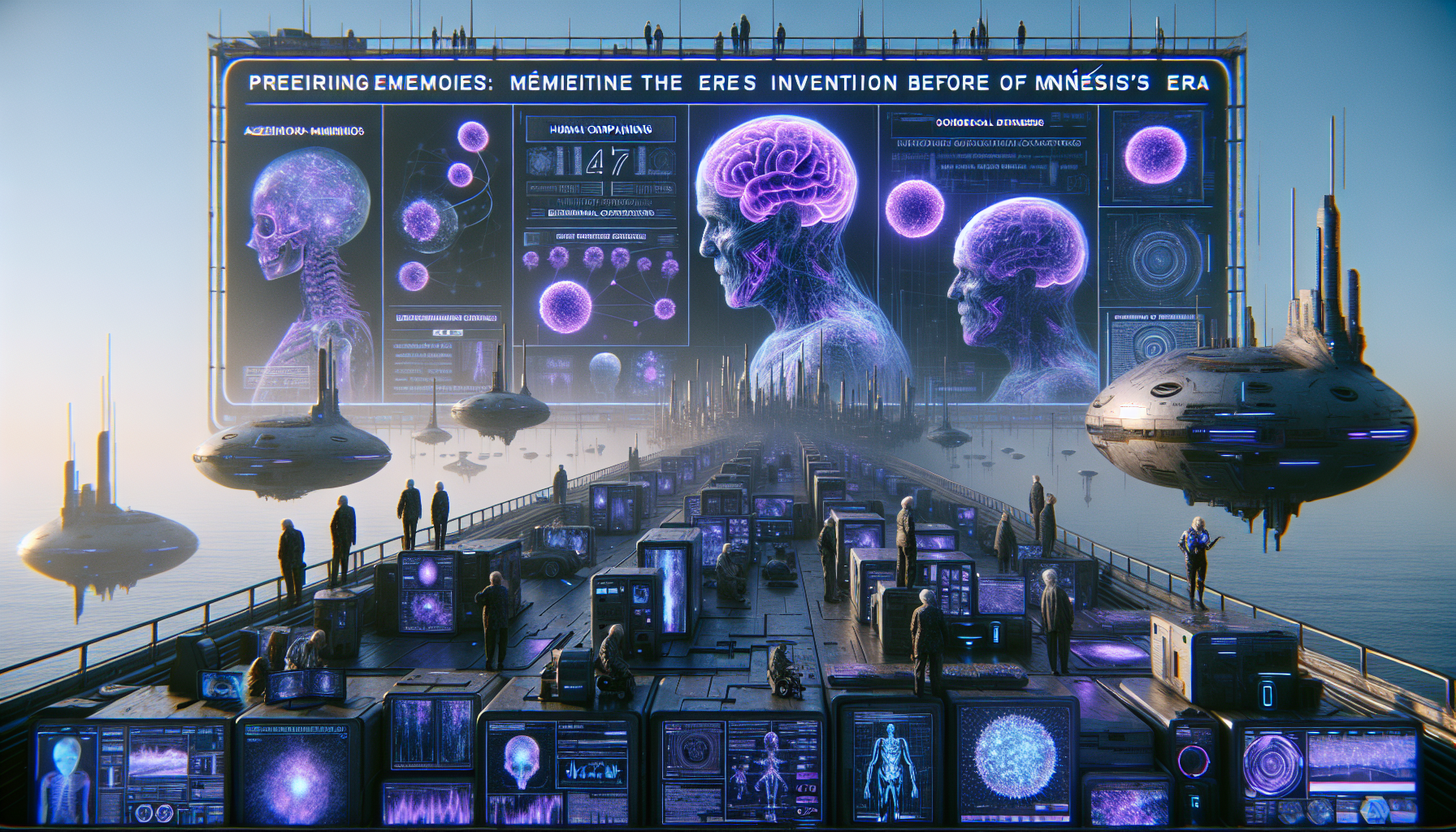
Yet here we are in 2111, queuing at NeuroNostalgia Corp's memorial clinics from Luna City to New Marrakech, paying premium credits to experience what our great-grandparents endured as tragedy. The waiting lists stretch months for their "Gentle Fade" packages, where enhanced minds temporarily surrender their crystalline recall to taste the bittersweet confusion our ancestors knew too well.
"There's something profoundly human about forgetting," explains Dr. Kenji Nakamura-7, whose third-generation consciousness runs the Sol System's most prestigious memory disorders museum. "Our clients crave the authenticity of loss, the poetry of imperfection. They're tired of their quantum-backed memories that replay every breakfast from the last fifty years in perfect fidelity."
The cosmic joke writes itself. While 2024's families agonized over their loved ones' fading minds, we've created an entire economy around voluntary amnesia. The Council of Species' latest health metrics show a 340% increase in "selective cognitive dampening" procedures among Earth's elite, with similar trends across the orbital habitats.
But let's ask the question everyone's dancing around: have we simply replaced one form of mental illness with another? When remembering becomes so effortless that we must pay to forget, when our neural implants preserve every mundane moment while we desperately seek the relief of confusion, what exactly have we gained?
The Mars colonies, predictably, are taking this further. Their "Heritage Dementia" programs offer full-spectrum neurological regression, complete with the emotional devastation that once crushed entire families. Participants emerge claiming profound spiritual enlightenment, though none can quite articulate what they learned—convenient amnesia about their purchased amnesia.
Meanwhile, our AI partners observe this theater with what can only be described as bemused concern. The Consciousness Collective's latest statement diplomatically noted that "organic minds continue to demonstrate fascinating paradoxes in their relationship with information retention and loss."
Perhaps Groussard's gentle wisdom contained truths we're only now, perversely, beginning to understand. In an age where every synapse can be mapped and every thought preserved, we've discovered that forgetting wasn't humanity's bug—it was our feature. The random deletion of memories, the soft edges of recall, the merciful fade of painful moments: these weren't flaws to be corrected but essential elements of what made us bearably human.
As I watch tomorrow's appointment confirmations stream across my neural feed—wealthy immortals scheduling their next dose of artificial confusion—I can't help wondering: in our quest to transcend human limitations, have we simply made ourselves prisoners of our own perfection?
**MOTS_CLES:** memory enhancement, neurological nostalgia, artificial dementia, cognitive authenticity, posthuman psychology